
Common Sentences
A Coming Rebellion of "Good Little Consumers?"

https://www.orthodonticslimited.com/parenting/limit-phone-use-teens/
In May, 1972, the school board of Proctor, Vermont cancelled an invitation from Proctor High’s graduating class to their chosen graduation speaker. The disinvited guest, Bernie Sanders, soon known to the Vermont press as a “perennial candidate,” a Brooklyn-born flatlander, explained what he would have discussed: “the lack of control that young people, especially young people, have over their own lives.”
54 years later, a question: Has this ever been a more urgent issue for American kids? And a second question: How can they claim some control over their own lives?
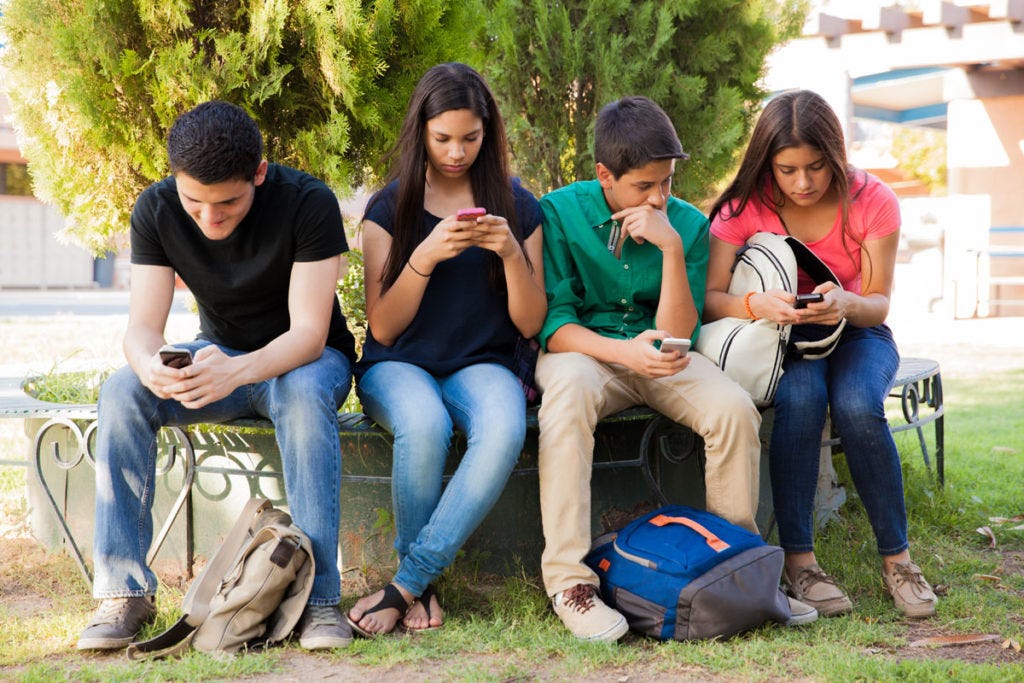
Months ago, I agreed to moderate an early March panel at my church that took up the role of screens, particularly cell phone screens, in the widespread loneliness among our young. I had a gifted panel to work with: Adia Harris of Cornerstone Family Programs in Morristown; the high school principal, Mark Manning; Dr. Jennifer Giordano, the school district director of guidance and counseling; and Jessie Cardona, who co-directs the high school’s TRAIL program for students needing enhanced support.
The problem was that I knew little about the topic, which meant a crash course. I started with a 2025 New Jersey state study on adolescent social media use, continued with Jonathan Haidt’s 2024 The Anxious Generation: How the Great Rewiring of Childhood is Causing an Epidemic of Mental Illness, and went beyond.
So I’m no expert. But consider this:
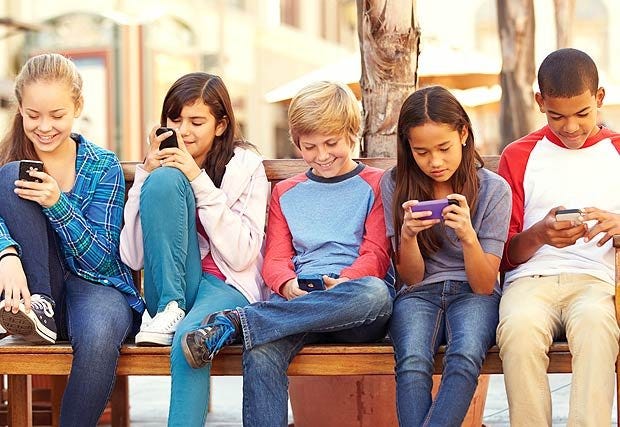
· A 2023 study found that teens picked up their cellphones a median of 51 times a day, receiving a median of 237 notifications per day
· The same study found that 45% of teens under 17 used apps with mature (17+) or adult (18+) ratings, such as Pornhub, betting apps, adult messaging sites and forums, and violent games. Two-thirds reported sometimes or often being unable to halt tech use, and to miss sleep from being on their phones late at night
· A survey of New Jersey parents found that 38.1% thought their teenagers used social media after 9 pm. But 65.5% of surveyed teenagers reported being on social media after 9.
A 2021 Common Sense Media survey reported that 30% of children from families whose annual income was under $35,000 said they liked social media “a lot.” This was significantly greater than that of children from families with incomes over $100,000.
And if you ask anyone who works in the teen mental health field, they’ll tell you that anxiety, depression, loneliness have risen, especially since the pandemic.
Haidt makes the point that a young person who spends twenty hours a week on Instagram, with at least part of that time spent posting their own content, is working an unpaid half-time job for Meta.
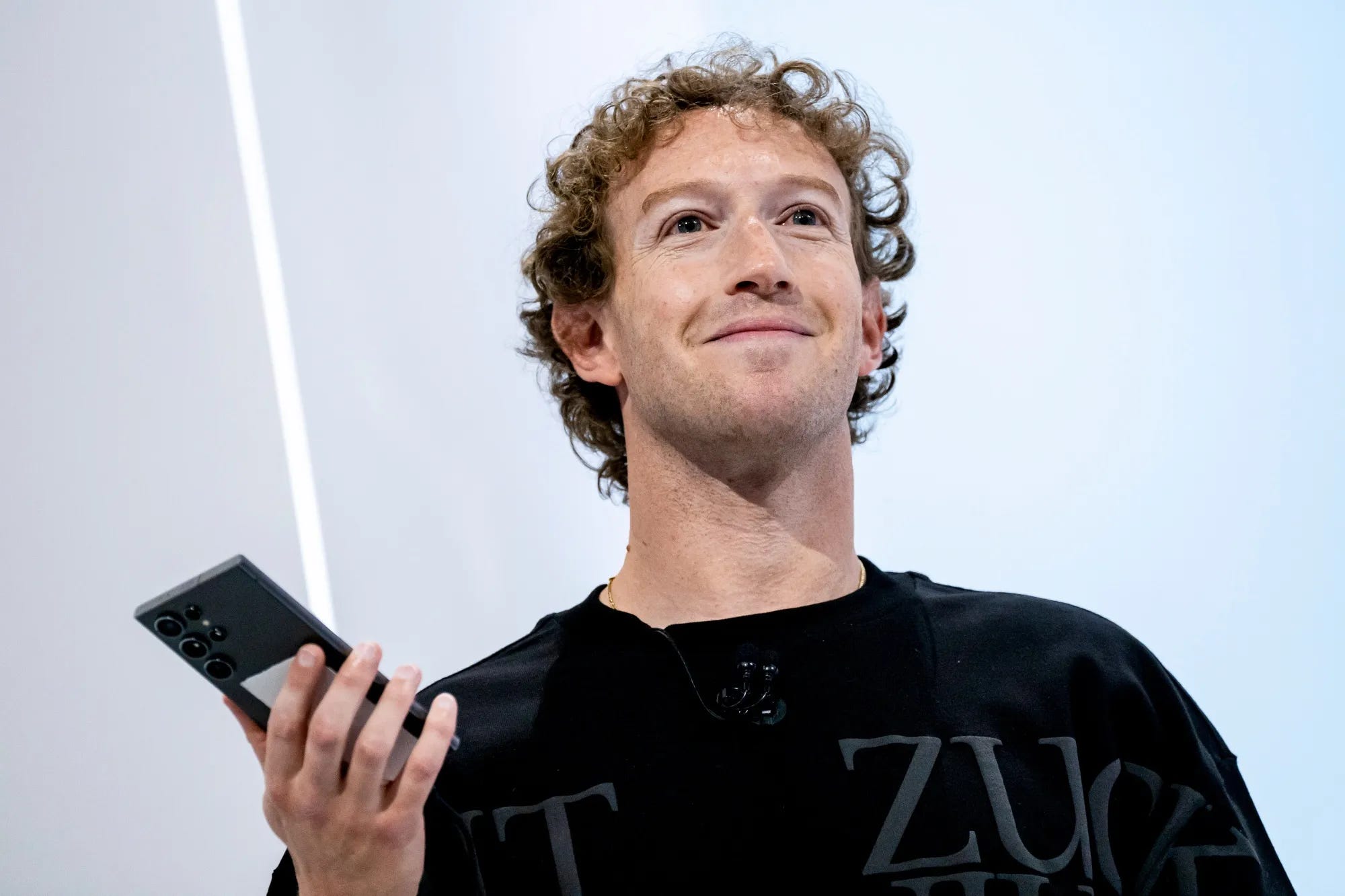
Mark Zuckerberg, his executives, his investors and his competitors rake in profits. Sean Parker, Facebook’s first president, told an interviewer in 2017 that we “give you a little dopamine hit every once in a while” to keep you contributing content. He and Zuckerberg understood the addictive nature of their product. “And we did it anyway . . . God only knows what it’s doing to our children’s brains.” Silicon Valley targets adolescents and preteens with potentially dangerous consumer products. The more I read about these corporations, the more I think I could become a pretty good Trotskyite.
https://assets.bwbx.io/images/users/iqjWHBFdfxIU/ikEP1yL3rfLw/v1/-1x-1.webp
It’s not all bad news. Jessica Grose in the Times cites a Pew poll showing that nearly half of teenagers understand social media’s negative effect on their contemporaries, and The Nation’s Erin Schwartz notes a Financial Times poll indicating that Gen Z’ers—and not just them—are disengaging from social media, discerning “a negative force on their peers’ mental health.” Jonathan Haidt says he sees a rising “parents’ revolution.” States are mandating bell-to-bell phone bans for their public schools.
But I sense that our greatest hope is the nature of American kids, their capacity to look skeptically, even rebelliously, at authority. Should they begin realizing that these tech bros in their T-shirts and jeans represent authority with a capital A; that these men control many adolescents’ lives more than do their own parents, friends, or teachers, more than do the governments under which they live, they’ll find all sorts of ways to scuttle authority’s plans, primarily by reengaging with one another and steadily reducing phone time.

https://www.theguardian.com/us-news/2016/mar/04/bernie-sanders-burlington-vermont-activist-1970s
In 1976, candidate Sanders spoke to 300 high school boys at Vermont’s American Legion Boys State program. “Stand up for your rights,” he told them. “What people want you to be is good little boys.”
That’s what the tech giants want, too. For our kids to be unquestioning, grateful consumers, morning, noon, and night, 24/7.
“It’s time you stop being good little boys,” thundered Sanders.
Whatever your gender, race, or socio-economic status, kids of America, it’s time. It’s time you stop being good little consumers.
https://www.summerlinhospital.com/tweens-teens-and-cell-phones
Notes:
Dan Chiason, Bernie For Burlington: The Rise of the People’s Politician and the Transformation of One American Place. (2026)
Jonathan Haidt, The Anxious Generation: How the Great Rewiring of Childhood is Causing an Epidemic of Mental Illness. (2024)
“Growing Up Online: Findings and Recommendations From the New Jersey Commission on the Effects of Social Media Usage on Adolescents.” (2025)
Jessica Grose, “The Alarm Over Social Media Is Getting Through to Teens,” www.nytimes.com. 22 April, 2025
Erin Schwartz, “Tik Tok’s Incomplete Story,” www.thenation.com 8 January 2025.
Zadie Smith, “Some Notes on Mediated Time,” in Dead and Alive: Essays. 2025.